Jimmy Carey BlogUncategorized November 2, 2023

Confidential Cuisine

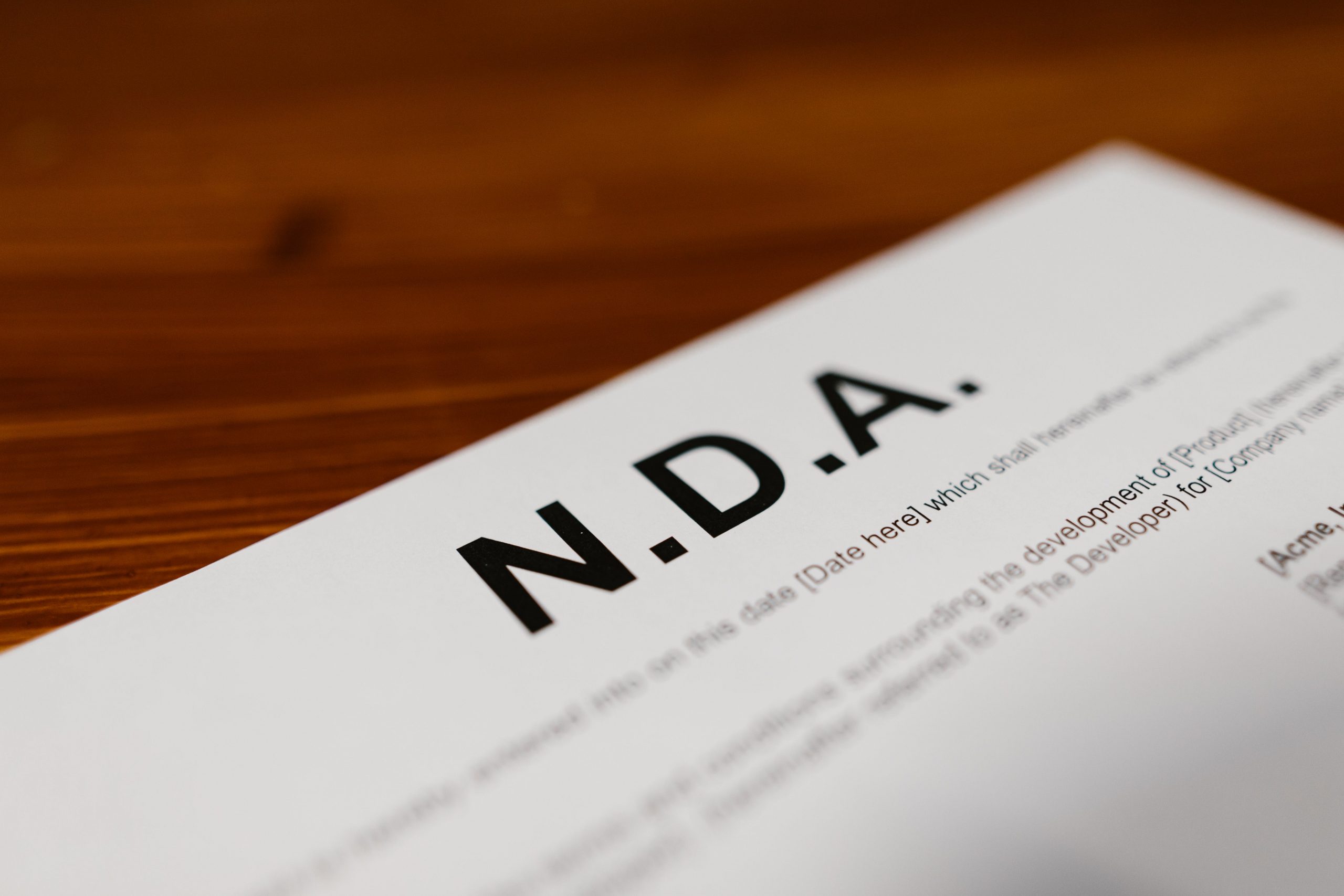
Non Disclosure Agreement (NDA), Confidentiality Agreement

Jimmy Carey Commercial Real Estate

The Vital Role of Non-Disclosure Agreements (NDAs) in Restaurant Sales

In the competitive and vibrant restaurant industry, buying and selling establishments is a common occurrence. However, within this process lies a critical need to protect sensitive information. The utilization of Non-Disclosure Agreements (NDAs) plays an instrumental role in ensuring the confidentiality of proprietary data, thereby safeguarding the success of restaurant sales. In Atlanta, the expertise of entities like Jimmy Carey Commercial Real Estate significantly enhances the application and importance of NDAs in these transactions.

Minimizing Distraction and Stress

In the delicate process of selling a restaurant, maintaining confidentiality among employees becomes paramount. The expertise of companies like Jimmy Carey Commercial Real Estate ensures the application of NDAs to prevent premature disclosure to employees. The potential sale of a restaurant often brings uncertainty, especially regarding job security. If employees become aware of a possible sale without a proper confirmation or structured communication, it can lead to increased stress and distraction among staff.

An early revelation of the sale may prompt employees to seek alternative job options out of concern for job instability, leading to decreased morale and reduced productivity. By enforcing an NDA, such as those facilitated by Jimmy Carey Commercial Real Estate, the details of the sale remain confidential until the appropriate time. This shields employees from unnecessary stress, allowing them to continue their work without added concerns about the restaurant’s future, preserving stability and preventing potential disruptions in daily operations.

Respecting Employee Trust

Building trust between employer and employees is a foundational aspect of any successful business. It is crucial to maintain open and transparent communication, especially during significant events such as a restaurant sale. Failing to disclose such pivotal information directly to employees can undermine the trust they have in the management.

With the guidance of companies like Jimmy Carey Commercial Real Estate, implementing NDAs is a practice that showcases respect for employees. It demonstrates a commitment to transparency, honesty, and consideration for the staff’s well-being. By using NDAs to maintain confidentiality during the sale process, employers indicate a genuine concern for their employees’ welfare.

When the appropriate time comes to disclose the sale details, Jimmy Carey Commercial Real Estate advocates for transparent communication, reaffirming the employer’s respect for the team and nurturing a more positive relationship between the employer and employees. This emphasis on transparent communication and respect ensures a smoother transition during the sale process, preserving the integrity of the business and the trust of the staff.

Understanding the Sensitivity of Restaurant Sales

The sale of a restaurant involves the exchange of a plethora of confidential and proprietary information, ranging from secret recipes and unique culinary techniques to financial records, customer databases, and operational strategies. This sensitive data, if exposed to competitors or unauthorized individuals, can compromise the restaurant’s competitive edge and significantly impact its value. Therefore, maintaining confidentiality throughout the sales process is paramount, a task diligently overseen by professional entities such as Jimmy Carey Commercial Real Estate and Atlanta Restaurant Broker.

The Essence of Non-Disclosure Agreements

A Non-Disclosure Agreement (NDA) is a legally binding contract that establishes a confidential relationship between the parties involved in a transaction. In the context of restaurant sales, NDAs delineate what information is considered confidential and restrict its disclosure to unauthorized parties. These agreements serve as a crucial legal tool, ensuring that sensitive data remains protected and undisclosed during negotiations and discussions between potential buyers, sellers, and other stakeholders.

Crucial Elements of an NDA in Restaurant Sales

A well-crafted NDA for restaurant sales encompasses several key elements. Firstly, it precisely defines the confidential information that the parties agree to protect. It also outlines the obligations and responsibilities of the involved parties to maintain confidentiality. Additionally, it details the consequences or legal actions that may ensue in the event of a breach. This comprehensive document not only ensures the protection of sensitive information but also sets clear guidelines for all parties involved in the transaction.

The Impact of an NDA on Restaurant Sales

In a restaurant sale, an NDA serves as a shield, safeguarding proprietary information, trade secrets, and other sensitive data. For the seller, it secures the restaurant’s competitive advantages and maintains its market position. Simultaneously, it offers assurance to potential buyers that the information shared during the due diligence process will remain confidential, encouraging trust and facilitating a smoother negotiation process, a practice facilitated adeptly by entities like Jimmy Carey Commercial Real Estate and Atlanta Restaurant Broker.

The Role of Trust and Professionalism in Upholding NDAs

While the legal framework of an NDA is essential, fostering an environment of trust and professionalism is equally crucial. Establishing a trusting relationship between parties is vital for the effective implementation of an NDA. Reputable brokerages and professional intermediaries, such as Jimmy Carey Commercial Real Estate in Atlanta, understand the significance of trust and employ rigorous vetting procedures and secure communication channels to safeguard sensitive information during restaurant sales, providing a seamless and confidential transaction experience.

Prioritizing Confidentiality for Successful Restaurant Sales

In conclusion, the role of Non-Disclosure Agreements in the sale of a restaurant cannot be overstated. These legal documents act as a fundamental layer of protection, ensuring the confidentiality of sensitive information, and ultimately, the success of the transaction. They serve as a cornerstone in establishing trust and security between buyers and sellers. Partnering with experienced professionals like Jimmy Carey Commercial Real Estate and using well-crafted NDA is imperative in safeguarding the restaurant’s proprietary data and securing a successful sale. With our expertise, the application of NDAs becomes a seamless and vital practice, ensuring the security and success of restaurant sales in Atlanta and beyond.

Amidst the competitive and ever-evolving restaurant industry, integrating Non-Disclosure Agreements (NDAs) stands as a critical factor in securing the interests of every involved party. It’s not solely a legal protocol but a pivotal step to safeguard the distinctive identity and value of each restaurant. Ensuring employees do not discover the restaurant’s potential sale is paramount.

The adept execution of NDAs, a practice exemplified by professionals like Jimmy Carey Commercial Real Estate and Atlanta Restaurant Broker, preserves the privacy needed for a successful and confidential transaction, shielding the business’s integrity and securing all stakeholders’ interests.

At Jimmy Carey Commercial Real Estate Brokerage, we understand that buying or selling a restaurant is a significant decision, and we’re here to support you every step of the way. That’s why we invite you to take advantage of our complimentary consultation service. Contact us at jimmy@jimmycareycre.com for a complimentary consultation.

For a FREE Consultation contact us at 678-406-8478 or jimmy@jimmycareycre.com
Jimmy Carey BlogUncategorized November 2, 2023

Unlocking the True Value; How to Effectively Valuate a Restaurant for Sale in Atlanta

Jimmy Carey Commercial Real Estate

If you’re considering selling your restaurant in Atlanta, understanding how to value your establishment is crucial. It’s not just about getting a fair price; it’s about ensuring that you maximize the return on your investment. In this comprehensive guide, we’ll walk you through the key steps in valuing your restaurant for sale, with a special focus on how to make the most of the process with the expertise of Atlanta Restaurant Brokers like Jimmy Carey Commercial Real Estate and Jimmy Carey Restaurant Brokerage.

The Foundation: Understanding the Basics

Before diving into the intricacies of restaurant valuation, let’s establish a solid foundation by understanding the fundamental concepts and factors that play a pivotal role in determining the value of your restaurant.

Financial Statements: The financial health of your restaurant is paramount. Potential buyers, especially those working with Atlanta Restaurant Brokers, will scrutinize your financial statements, including income statements, balance sheets, and cash flow statements. These documents provide a transparent snapshot of your business’s revenue, expenses, and profitability.

Assets: The assets of your restaurant, including real estate, equipment, furnishings, and inventory, are significant contributors to its value. Their age, condition, and market value are key considerations in the valuation process.

Reputation and Goodwill: The intangible assets of your restaurant, such as brand reputation and goodwill, can substantially enhance its value. Positive customer reviews, a loyal customer base, and a unique concept are elements that potential buyers highly value.

Location: Location plays a pivotal role in restaurant valuation. Atlanta’s diverse neighborhoods offer varying levels of desirability, and a prime location in a high-traffic area can substantially increase the value of your restaurant.

Competition: The level of competition in your area can impact your restaurant’s value. If you’ve carved a niche with a unique concept and limited competition, it’s a competitive advantage that adds value.


The Valuation Methods: Insights from Atlanta Restaurant Brokers

Atlanta’s vibrant restaurant scene requires a tailored approach to valuation, and professional guidance is often invaluable. Below, we outline the common methods used, with insights from Jimmy Carey Commercial Real Estate, Jimmy Carey Restaurant Brokerage, and other prominent Atlanta Restaurant Brokers.

Asset-Based Valuation: Begin with the sum of your tangible assets, including real estate, equipment, and inventory. Adjust for depreciation and liabilities to arrive at the net asset value. Atlanta Restaurant Brokers can help you accurately assess the market value of these assets.

Income-Based Valuation: The income approach is particularly relevant in the restaurant industry, and Atlanta’s dynamic market demands a comprehensive evaluation. Two common income-based methods include:

Capitalization of Earnings: This method involves dividing the estimated annual earnings by a capitalization rate. The rate is influenced by risk factors and industry standards in Atlanta’s restaurant market.

Discounted Cash Flow (DCF): DCF estimates future cash flows your restaurant is expected to generate, discounting them to present value. DCF is well-suited to restaurants with consistent cash flow, and Atlanta Restaurant Brokers can help you apply it effectively.

Market-Based Valuation: A tailored approach is vital when using this method, especially in Atlanta’s diverse neighborhoods. Comparing your restaurant to similar businesses that have recently sold in your specific area is crucial. Your Atlanta Restaurant Broker can provide deep insights into local comparables.

Preparing for Valuation with Atlanta Restaurant Brokers

Before seeking a restaurant valuation in Atlanta, it’s essential to prepare your restaurant for the process, especially when collaborating with Atlanta Restaurant Brokers like Jimmy Carey Commercial Real Estate, Jimmy Carey Restaurant Brokerage, and other experts.

Organize Financial Records: Gather and organize all financial statements, tax returns, and records related to your restaurant’s income and expenses. Having clear and accurate financial records is crucial for a successful valuation.

Assess Assets: Evaluate the condition and value of your restaurant’s assets, including real estate, equipment, and inventory. An Atlanta Restaurant Broker can guide you on optimizing these assets.

Understand Your Market: Stay informed about the local restaurant market in Atlanta. Your Atlanta Restaurant Broker has deep knowledge of the city’s neighborhoods and can provide insights into local competition and trends.

Improve Your Brand: Invest in improving your restaurant’s brand and reputation. Positive online reviews, consistent branding, and a unique concept can significantly enhance the goodwill and, consequently, the value of your business.

The Valuation Process with Atlanta Restaurant Brokers

When you’re ready to proceed with the valuation process, here are the essential steps, especially when you partner with Atlanta Restaurant Brokers like Jimmy Carey Commercial Real Estate, Jimmy Carey Restaurant Brokerage, and other professionals.

Engage a Professional Appraiser: Collaborate with a professional appraiser with specific experience in valuing restaurants in Atlanta. Their objective assessment and industry-specific methods will ensure an accurate valuation.

Review Offers: As offers come in, your Atlanta Restaurant Broker can assist you in reviewing and evaluating them. Don’t be swayed by initial offers; take the time to consider each one thoroughly.

Negotiate: Engage in negotiations to ensure you receive the best possible price for your restaurant. An experienced Atlanta Restaurant Broker can represent your interests and navigate the negotiation process effectively.

Finalize the Sale: Once you’ve agreed on a price with a buyer, work with legal and financial professionals to finalize the sale. This includes drafting contracts, conducting due diligence, and addressing any outstanding issues.

In a nutshell,

Valuing a restaurant for sale in Atlanta is a complex and multifaceted process, and the right approach can make all the difference in achieving a favorable outcome. By collaborating with experienced Atlanta Restaurant Brokers like Jimmy Carey Commercial Real Estate, Jimmy Carey Restaurant Brokerage, and others, and following a methodical approach, you can navigate the valuation process with confidence. Selling your restaurant is a significant endeavor, but with careful planning and a deep understanding of its value in Atlanta’s dynamic restaurant market, you can ensure a successful transaction that maximizes your return on investment.

Jimmy Carey BlogUncategorized November 1, 2023

Pros and Cons of buying Used vs New kitchen equipment for a restaurant

Buying Used Kitchen Equipment:

Pros:

Cost Savings:

Affordability: Used kitchen equipment is generally more budget-friendly than brand new counterparts. This can be a significant advantage, especially for small businesses or startups with limited capital.

Immediate Availability:

Faster Setup: Used equipment is readily available on the market. This means you can acquire what you need quickly and potentially open your restaurant sooner.

Less Depreciation:

Stable Value: Used equipment has often already experienced the steepest depreciation in value. Therefore, the resale value tends to be relatively stable, which can be beneficial when you consider potential resale or upgrades in the future.


Cons:

Limited Warranty:

Higher Repair Costs: Used equipment may not come with warranties or have limited coverage. This means that you might be responsible for repair or replacement costs, potentially eating into any initial cost savings.

Uncertain History:

Maintenance and Condition: You may not have a full understanding of how well the equipment was maintained by the previous owner, which can lead to unexpected issues or breakdowns.

Operating Costs:

Energy Efficiency: Older equipment may be less energy-efficient, leading to higher utility bills over time. It’s essential to balance the initial cost savings with potential long-term operational expenses.

Buying New Kitchen Equipment:

Pros:

Warranty:

Peace of Mind: New equipment typically comes with warranties, providing you with peace of mind. If there are any issues or malfunctions, the warranty can cover repair or replacement costs, saving you money in the long run.

Latest Technology:

Enhanced Efficiency: New equipment often incorporates the latest technological advancements, making it more efficient and productive. This can lead to improved food quality, faster cooking times, and energy savings.

Energy Efficiency:

Reduced Operating Costs: Newer equipment is usually designed to be more energy-efficient, which can result in significant long-term savings on utility bills.

Cons:

Higher Initial Cost:

Budget Impact: New equipment comes with a higher upfront cost, which can put pressure on your initial budget, particularly for new or small businesses.

Depreciation:

Rapid Depreciation: New equipment experiences rapid depreciation, especially in its first few years of use. This depreciation can affect the overall asset value of your restaurant.

Lead Time:

Delays: Ordering new equipment may involve longer lead times, potentially delaying your restaurant’s opening. This can impact your revenue projections and operational plans.


Considerations:

Budget:

Carefully assess your budget to determine what you can comfortably afford. Consider not only the initial purchase cost but also long-term operating costs.

Type of Equipment:

The decision may vary depending on the specific equipment. Some items, like ovens or grills, may benefit from being purchased new for reliability, while others, like tables or chairs, can be bought used without many concerns.

Source and Inspection:

When buying used equipment, thoroughly inspect each item. Consider purchasing from reputable sources or getting a professional inspection to ensure that the equipment is in good working condition.

Balance:

Many restaurant owners opt for a combination of both new and used equipment to strike a balance between cost-effectiveness and equipment reliability.

In conclusion, the choice between buying used vs new kitchen equipment should align with your budget, specific equipment needs, and long-term business goals. Careful evaluation of the pros and cons for each item and a strategic approach to equipment acquisition can help you make the best decision for your restaurant.

Schedule a Free Consultation Today

At

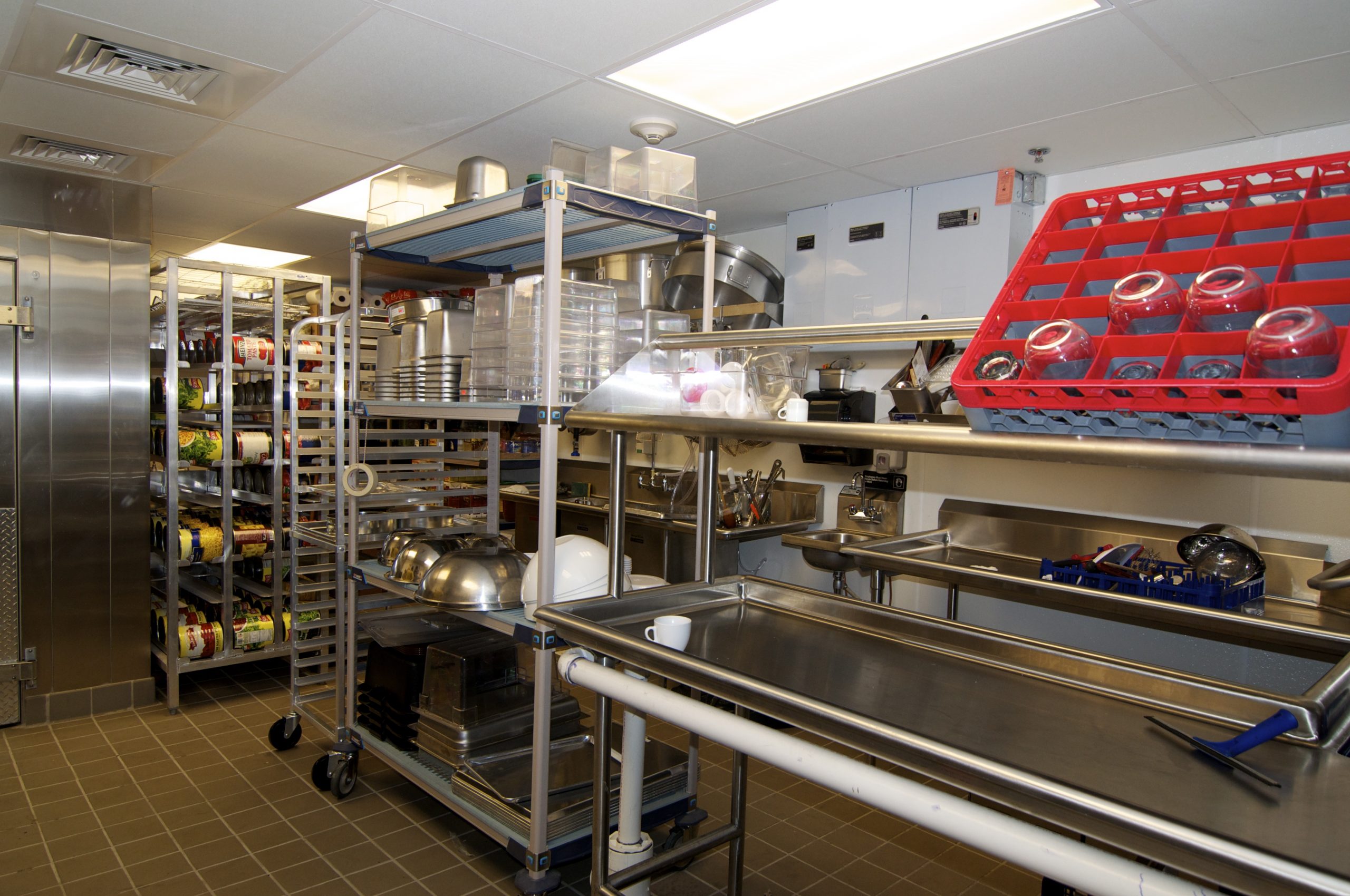
Commercial restaurant kitchen with equipment in dishwasher area

Jimmy Carey Commercial Real Estate

, we understand that buying or selling a restaurant is a significant decision, and we’re here to support you every step of the way. That’s why we invite you to take advantage of our complimentary consultation service. Contact us at jimmy@jimmycareycre.com for a complimentary consultation.

Jimmy Carey BlogUncategorized November 1, 2023

Difference between second generation restaurant for sale held by Landlord and Paying for key money


Jimmy Carey Commercial Real Estate

Jimmy Carey Commercial Real Estate

Determining whether a second-generation restaurant location held by a landlord or one involving key money is better depends on various factors, including your specific circumstances, financial resources, and business goals. Let’s examine the advantages and considerations of each:

Second Generation Held by Landlord:

Advantages:

Direct Control: You have more control over the lease terms and negotiation process when dealing directly with the landlord. This can be advantageous if you have a clear vision for the space and want flexibility.

Lease Flexibility: You can negotiate a lease that suits your specific needs, potentially securing favorable rent rates and lease conditions.

Customization: You can customize the restaurant space from the ground up, ensuring it aligns precisely with your concept and brand.

No Key Money: You don’t have to pay an additional upfront fee (key money) to the current tenant, which can save you money initially.

Considerations:

Higher Initial Setup Costs: You’ll likely face higher initial costs for outfitting and renovating the space, including acquiring kitchen equipment and permits.

Extended Setup Time: Building and customizing a restaurant space from scratch can take more time compared to taking over an existing setup.

Unknown Lease Terms: Negotiating with the landlord may result in less favorable lease terms compared to those already established by the current tenant.

Second Generation Restaurant Location with Key Money:

Advantages:

Existing Infrastructure: You inherit an existing restaurant setup, including kitchen equipment, dining areas, and potentially permits and licenses, which can save time and money.

Favorable Lease Terms: You may benefit from the favorable lease terms negotiated by the current tenant, such as lower rent rates or an extended lease period.

Quicker Launch: Taking over an existing setup can enable a faster restaurant opening, allowing you to start serving customers sooner.

Less Upfront Investment: You may have lower initial setup costs since you’re not building from scratch or buying new equipment.


Considerations:

Key Money Payment: You’ll need to pay key money to the current tenant, which can be a substantial upfront cost.

Less Control: You have less control over the lease terms, as they are established by the current tenant. You must ensure these terms align with your business plan.

Adaptation: The existing setup may not perfectly match your concept, requiring some modifications.

In summary, the choice between a second-generation restaurant location held by a landlord and one with key money depends on your priorities. If you value control, flexibility in lease terms, and have the resources to customize a space, dealing directly with the landlord may be the better option. On the other hand, if you seek a faster launch, favorable existing lease terms, and can afford the key money payment, taking over an existing setup with key money may be more appealing. Ultimately, your decision should align with your business strategy, budget, and long-term goals.

For a professional assessment and assistance in securing a restaurant for sale in Atlanta, consider consulting with experts at Jimmy Carey Commercial Real Estate. Their guidance can steer you towards the ideal restaurant space aligned with your business aspirations. Contact Jimmy Carey Commercial Real Estate for expert advice on acquiring or selling a restaurant in Atlanta.


Contact  Jimmy Carey at 305-788-8207 and jimmy@jimmycareycre.com

http://www.jimmycareycommercialrealestate.com